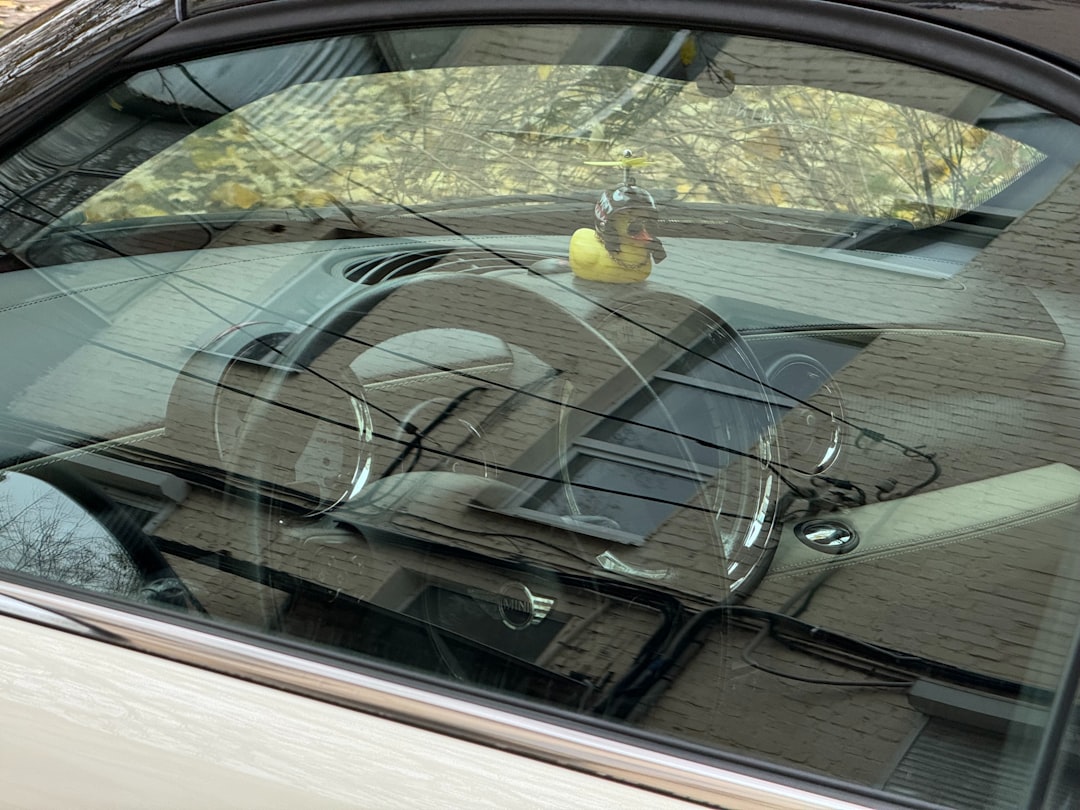
Stone chip in the windshield: when can you repair, when must you replace, and what should be included in the damage report
The Short Version
- •Repair is often possible when the damage is small and not in the driver's line of sight or completely at the edge of the glass.
- •Repair is often possible when the damage is small and not in the driver's line of sight or completely at the edge of the glass.
- •Replacement of the windshield is usually necessary for cracks that are growing, damage near the edge, or when visibility and safety may be affected.
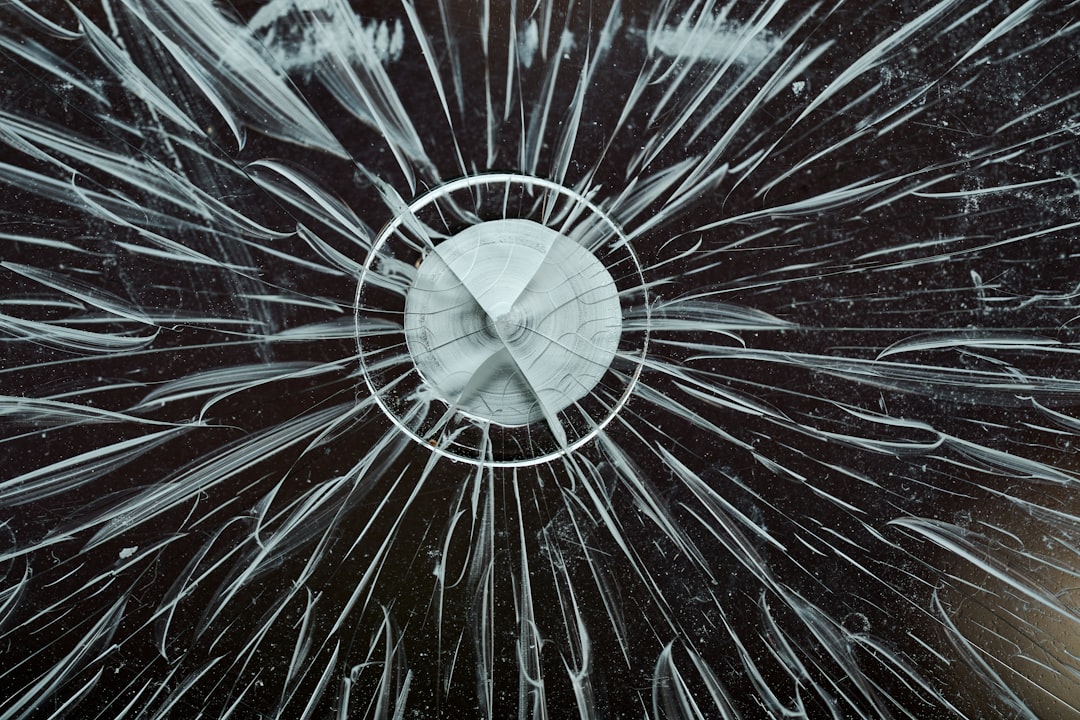
Stone chips often occur when you least expect it: a car in front kicks up small stones, you hear a little click, and suddenly you have a dot or star-shaped damage in your windshield. It may look harmless, but these small damages can develop into long cracks – and then both repair becomes more expensive and safety worsens.
In this guide, you will get a practical overview of when stone chips can typically be repaired, when the windshield should be replaced, and what you should write in the damage report to ensure a tidy and quick processing with the insurance company. Remember that details can vary between car models and insurance terms, but the principles below are the same in 2025.
Why it pays off to address stone chips early
A stone chip is practically a small break in the glass. Windshields are laminated (two layers of glass with a plastic film in between), but the damage can still:
- grow into cracks due to temperature fluctuations, speed bumps, door slams, poor roads, or high speeds
- reduce visibility due to reflections and refraction, especially in the dark and against the light
- affect safety systems (camera/radar sensors behind the glass) if the area around the sensor is damaged or the glass must be replaced without proper calibration
The earlier you get the damage assessed, the greater the chance that you can settle for a repair instead of a replacement.
When can you usually repair stone chips
Repair (often called "glass repair" or "stone chip repair") means that the workshop fills the damage with resin that cures and polishes so that the strength and visibility improve. Repair is typically applicable when:
- The damage is small (often within a "coin size"/limited diameter, but the workshop assesses this specifically).
- No cracks have spread from the damage, or the cracks are very short and stable.
- The damage is not in the driver's direct line of sight, where reflections can be distracting.
- The damage is not completely at the edge of the glass, where the glass is more susceptible to stresses.
- The damage is "dry and clean" (not filled with dirt/water over time), which results in a better outcome.
The Rule of Thumb about Visibility and Edge
There are various industry practices for exact measurements and zones, and these can vary between chains and car models. Nevertheless, the logic is simple: the closer to the driver's line of sight and the closer to the edge of the glass, the more likely you will end up needing a replacement. If in doubt, take pictures and get a quick assessment – preferably the same day.
When must you normally replace the windshield
Replacement is often necessary when the damage cannot be repaired safely or neatly enough. Typical situations where replacement is the right choice are:
- The crack has started to grow (or there is already a longer crack).
- The damage is close to the edge, because stresses in the glass mean that the repair often won't be permanent.
- The damage is in the driver's line of sight and can cause persistent optical disturbances.
- There are multiple damages (for example, many stone chips from gravel roads), which overall weakens the glass.
- The damage affects the area near the camera/sensor (ADAS), where precision is required and often calibration after replacement.
Can you continue driving with a stone chip
Often you can drive home, but you should assess visibility and the risk of the damage progressing. If the damage is in the line of sight, has cracks, or if it is cold/warm with large temperature shifts, a small damage can quickly become significant. Many insurance companies and workshops recommend getting it checked as soon as possible.
How to secure evidence and minimize damage
Small steps can make the difference between repair and replacement:
- Take pictures immediately: one close-up (with a coin/ruler for reference) and one picture showing the placement in the windshield.
- Use stone chip patches or transparent tape temporarily to keep dirt and moisture out (don’t press hard).
- Avoid major temperature shocks: don’t set the heater directly to max against a cold windshield, and avoid pouring hot water on ice.
- Note the time and place: road, direction, approximate conditions (oncoming traffic, gravel, road work).
Insurance glass damage deductible and bonus in 2025
Glass damage is often handled under the auto insurance’s glass coverage. In many cases, the following applies:
- Repair: can be without deductible or with a lower deductible (depending on the company).
- Replacement of the glass: usually has a deductible, and the price is affected by the car type, sensors, heating wires, and calibration.
- Bonus: glass damage often does not affect the bonus, but this varies and should be checked in your terms.
Important: Terms, deductibles, and bonus rules vary between insurance companies and agreements. Always check your current terms or "my pages" before booking an appointment.
What should be included in the damage report for a stone chip
A stone chip is not a collision with a third party, but it is still smart to document the damage properly – especially if you later get a crack, need to replace the glass, or need to explain the sequence of events.
1 Incident description brief and concrete
Write down what happened, without guessing more than you know. For example:
- Date and time (as accurately as you can).
- Location (road, kilometer/exit, municipality).
- Speed and conditions (dry/wet, gravel, road work, studded tire season).
- What you observed (stone chip from the car in front, oncoming truck, gravel on the road).
Avoid formulations that give the impression of certainty if you are not sure, such as “I know the stone came from the car in front.” Instead, write “I experienced that the stone came from the car in front” or “there was a truck in front and I heard a bang in the windshield.”
2 Location and type of damage
This is often the most important for the workshop and insurance company:
- Where on the windshield: driver’s side/passenger side, upper/lower part, near A-pillar, at mirror mount, by camera.
- Type of damage: dot, star, combination, crack (and approximate length).
- Development: if it has grown since you discovered it.
3 Pictures and attachments
Include:
- close-up in good light
- overview picture that shows placement in the windshield
- preferably a picture of road conditions if relevant (gravel, road work signs), but without stopping dangerously
Good photo documentation makes it easier to assess whether the damage was likely repairable when it occurred, and can also reduce back and forth during the processing of the claim.
4 Information about workshop agreement and needs
If you have already booked an appointment or received an assessment, write:
- name of workshop/glass partner
- whether the workshop recommends repair or replacement
- whether the car has camera/sensor in the windshield and whether calibration is planned
5 If there was a “third party” after all
Sometimes, a stone chip occurs in a situation where it may be relevant to have another party involved, for example when working on the road, dumping gravel, or a car with unsecured cargo. It can then be especially important to note:
- registration number of the vehicle you believe the stone came from (if you managed to get it)
- company/name of contractor and possibly machine number
- witnesses and contact info
Here it is often helpful to fill out a joint damage report when you agree on the incident and want to describe it similarly. With Skademeldinger.no, you can fill out the same damage report on each of your phones, ensure that you end up with the same version, and sign digitally before it is sent – which can save time if the case becomes more extensive than initially anticipated.
Practical procedure step by step
Step 1 Check if it is safe to drive
Assess visibility and whether the damage is distracting. If you have a crack in the line of sight or the damage worsens quickly, you should limit driving and get an assessment as soon as possible.
Step 2 Document and protect the damage
Take pictures, apply the stone chip patch, and note the place/time.
Step 3 Report the damage and book an assessment
Many insurance companies allow you to register glass damage digitally and choose a partner. The more precise information you provide, the easier the process will be. Skademeldinger.no can also be used when there are multiple parties involved or if you want to secure clear documentation, digital signing, and easy sharing of attachments.
Step 4 Complete the repair or replacement and keep documentation
Request a receipt/work order, and ask about calibration of the camera/sensor when replacing the windshield if the car has driver support systems. This can be relevant for later questions about functionality or warranty.
Common questions about stone chips
Do I have to report a stone chip right away
It is seldom an absolute requirement to report on the "same day," but it pays off. Damage that develops can lead to discussion about when it occurred, and whether it could have been repaired earlier. Report and document early.
Can I repair a stone chip myself with a kit
There are DIY kits available, but the results vary, and mistakes can make later professional repairs more difficult. For cars with camera/sensor and for damages near the line of sight, professional assessment is especially important.
What if the stone chip turns into a crack later
This can happen, especially in cold and large temperature fluctuations. Therefore, pictures and a timeline in the damage report are useful. Contact the insurance company/workshop and update the case with new documentation.
How to write a good damage report in two minutes
If you want to make it easy for both yourself and the insurance company, use this checklist:
- Incident: date, time, location, brief description
- Damage: location, type, whether it has developed
- Documentation: 2–3 pictures, any witnesses
- Actions: stone chip patch, booked appointment, recommended repair/replacement
If there are two parties who want to describe the incident similarly (for example, in the case of unsecured cargo or work on the road), it is beneficial to fill out the damage report together. Skademeldinger.no is designed specifically for this: joint completion with the other party, digital signing, and a damage report that is easy to share further and ready for submission.
Sources and useful links
We attempted to gather direct, updated links from the Norwegian Public Roads Administration, Finance Norway, NAF, the Police, and the insurance companies' information pages, but the available URLs could not be verified at the time of publication. Since website structures change regularly, we recommend searching these sources and topics:
- Norwegian Public Roads Administration: “visibility in cars” and rules about the vehicle's visibility field
- Finance Norway: “auto insurance” and information about insurance coverage
- NAF: advice on “stone chip in windshield”
- Your insurance company: “glass damage” and terms for deductible/bonus
Disclaimer: The information is general and updated to the best of our ability for 2025, but terms and practices may vary between insurance companies and car models. If uncertain, contact a workshop or insurance company for a concrete assessment.
Emner
Ready to save time and frustration?
Skademeldinger.no makes it easy to fill out claim forms digitally together with the other party. Done in 5 minutes, ready for your insurance company.
Relaterte innlegg

Dette koster det å reparere en ripe i billakken i 2026
Du kommer ut fra butikken, går mot bilen, og ser den med en gang. En lys strek langs venstre bakdør. Noen har åpnet b...

Hva dekker kasko i 2026?
Hva dekker kasko i 2026? Kasko er fortsatt den mest brukte betegnelsen på dekningen som tar seg av skader på din eg...

Når du må fylle ut skademelding alene: hva gjør du hvis motparten drar eller nekter å signere?
Når du må fylle ut skademelding alene: hva gjør du hvis motparten drar eller nekter å signere? Det skjer oftere enn m...