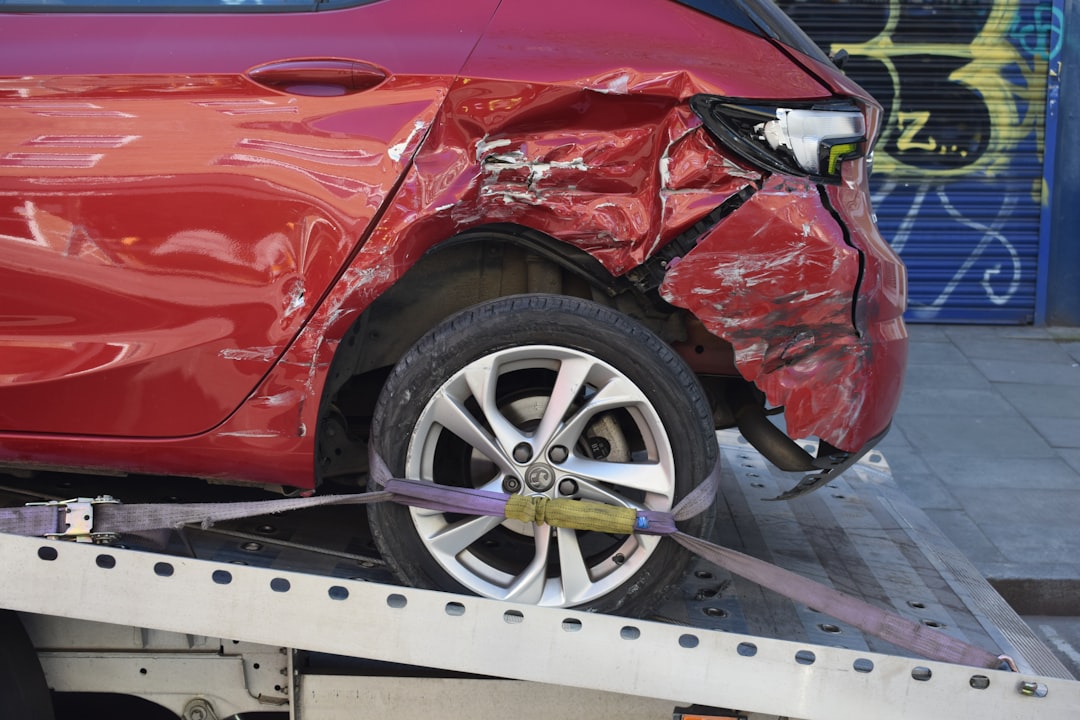
Damage Report for Rear-End Collision: Who is at Fault and What Should You Document
The Short Version
- •In rear-end collisions, the assumption is often that the car behind is at fault, but there are important exceptions.
- •In rear-end collisions, the assumption is often that the car behind is at fault, but there are important exceptions.
- •Secure the scene, take pictures, and note details while everything is fresh, especially skid marks, distances, and traffic conditions.
Being rear-ended often feels like a "clear case," but in practice, an insurance case is less about gut feeling and more about documented facts. A good damage report allows the insurance company to assess liability, coverage, and settlement faster – and it reduces the risk of a he-said-she-said situation later.
Who is at Fault in a Rear-End Collision
The main rule in traffic is that you must keep sufficient distance from the vehicle in front, so you can stop if something unexpected happens. Therefore, many rear-end collisions result in the rear vehicle being considered liable.
At the same time, it’s important to know that insurance settlements are based on a concrete assessment of the incident. This means that there are situations where liability can be shared, or in rare cases that the car in front may bear full or partial responsibility.
Common Situations Where the Rear Vehicle is Often Found Liable
- Traffic Jams and City Traffic: Short distances and inattention are frequent causes.
- Sudden Braking is Not Automatically "Fault" of the Front Car: You should still be able to stop with normal, predictable traffic braking.
- Distraction: Mobile phones, infotainment systems, children in the back seat, or "a quick glance" can be enough to result in too short reaction times.
Exceptions Where Liability Can Be Shared or Shifted
Here are typical reasons why the insurance company may assess liability differently than simply "the rear is at fault":
- Reversing: If the car in front is actually backing into the car behind, it’s a different incident than a rear-end collision. Documentation of gear selection/reverse lights and position will be important.
- Illegal or Unexpected Stops: Sudden stops on the highway or in a situation where stopping is not predictable can affect the distribution of liability. (This is assessed concretely.)
- Lane Changes Right in Front of You: If a vehicle changes lanes with very little margin and you hit the rear end, liability may be shared.
- Missing Lights or Poor Visibility: For example, if the rear lights do not work in the dark, this can have significance. It must be well documented in this case.
- Chain/Multiple Collisions: In a "three-car" collision, liability can be distributed differently among those involved, depending on who first caused the crash.
Important: Traffic rules and assessments of liability are one thing, while insurance terms (deductible, bonus loss, rental car, workshop choice) are another. Terms vary between companies, so always check your own insurance certificate and conditions.
The First Things You Should Do at the Scene
Good documentation starts with the right steps immediately after the incident.
1) Secure the Scene and Prioritize Safety
- Stop safely, turn on hazard lights, and assess the need for a warning triangle.
- Check if anyone is injured, and call emergency services if needed.
- Be aware that neck pain may arise later even at low speeds.
The police have advice on what you should do in a traffic accident, including when you should contact them and what is important to note: Police – Traffic Accident.
2) Move Vehicles if Necessary and Safe
If the vehicles are in a dangerous position or obstructing traffic, you may need to move them to a safer location when it can be done without risk. Prioritize the traffic situation and your own safety first.
For updated traffic information and alerts, check: The Norwegian Public Roads Administration – Traffic Information.
What Should You Document in a Rear-End Collision
Documentation is about making it easy to understand what happened. The goal is to secure traces before the vehicles are moved, the light changes, or the explanations diverge.
Pictures You Should Take
- Overview Pictures: The entire situation from multiple angles (road, lanes, intersections, speed limit if possible).
- Placement: Where the vehicles stood in relation to each other and road markings.
- Damages: Close-ups of the damage points, but also pictures showing the damage in context (to avoid doubt about where on the car).
- Marks on the Road: Skid marks, loose parts, fluid leaks, glass.
- Signs and Surroundings: Signs about right of way, speed limit, bus stops, crosswalks, traffic signals.
- Weather and Visibility: Rain, ice, slush, low sun, darkness (take pictures in the direction of travel).
Information You Should Note
- Time and Place: Date, time, exact location (preferably GPS/address).
- Speed and Traffic: Approximate speed, queueing, stop/start, and whether you were stationary or rolling.
- Event Sequence: One short, specific sentence about what happened before you start discussing fault.
- Witnesses: Names and phone numbers (especially important in the case of disagreement).
- Injuries and Symptoms: Note if anyone experiences pain or discomfort, even if it seems minor.
Exchange Correct Information with the Other Party
- Name, phone number, and address
- License plate number
- Insurance company and policy number (if available)
- Driver's date of birth and driving license class if necessary
Avoid signing statements you do not agree with, and avoid "admissions of fault" in emotion. Stick to observable facts: speed, distance, signals, braking, lane changes, stops, weather, and visibility.
How to Fill Out a Damage Report That Withstands Disagreement
A damage report is in practice a joint "situation report." It should be accurate enough that a third party can understand the incident without being present.
Sketch of the Situation
The sketch is underrated. Draw:
- direction of travel (arrows)
- lanes, road markings, intersections/exits
- where the vehicles were at the moment of impact
- relevant traffic lights/signs
Description of the Incident
Keep it short, specific, and free of assumptions. Example:
- "Car A braked for a queue. Car B hit Car A from behind."
- "Car A changed from right to left lane right in front of Car B. Collision in Car A's rear bumper."
When You Are in Disagreement
If you do not agree on fault, you can still fill out the damage report with joint facts and each party's explanation. The most important thing is that the incident is documented while you are at the scene, and that witnesses and pictures are secured.
Reasons Many Choose Digital Damage Reporting in 2025
In the stress following a rear-end collision, it is easy to forget details, or end up with two different versions of the same incident. Skademeldinger.no is designed to make it easier to get it right:
- Joint Filling with the Other Party: You fill out the same damage report together, so the facts become common.
- Digital Signing: Both can sign right then and there, reducing the risk of "I meant something different" later.
- Simple Sharing: The damage report can be shared and submitted to the insurance company in an organized manner.
- Ready for the Insurance Company: Structured information, which often results in faster processing of the case.
What About Bonus Loss, Deductibles, and Which Insurance is Used?
The economics of a rear-end collision depend on fault/liability and what coverage you have.
If the Other Party is Found Liable
- Damage to your car is typically covered by the other party's liability insurance (traffic insurance).
- You should typically not pay a deductible on repairs through the other party's liability, but practices may vary in between settlements.
- Bonuses are typically not affected when you receive compensation for the other party’s liability, but check your terms.
If Liability is Unclear or Shared
- In some cases, you may use your own comprehensive/partial comprehensive coverage to get your car repaired faster while companies clarify liability afterward.
- In this case, the deductible and potential bonus changes may become relevant, depending on the outcome and terms.
Finance Norway has an overview and explanations about car insurance and damage settlements that can be useful to read: Finance Norway – Insurance. For practical advice on car ownership and damage, you can also visit: NAF.
When Should You Contact the Police?
Not all accidents require police on the scene, but you should consider contacting the police when:
- someone is injured
- there is suspicion of intoxication, dangerous driving, or other criminal circumstances
- there is significant disagreement about the sequence of events and the situation escalates
- a vehicle cannot be moved, or dangerous conditions arise in traffic
See updated guidance: Police – Traffic Accident.
What to Do in the Next 24 Hours
- Submit the damage report promptly: While you remember details and before pictures disappear.
- Review Pictures Again: Ensure you have both overview and close-up shots.
- Note Symptoms: If you experience neck/back pain or other complaints, document when it started and consider contacting a doctor.
- Follow Up with Witnesses: A short text message confirming their witness status can be useful.
Checklist That Often Decides the Case
If you remember only one thing: The insurance company needs facts more than opinions. This checklist covers what most often has the greatest significance:
- pictures of placement and damages (before moving if possible)
- witnesses and contact info
- sketch of the road and vehicles
- what happened in one specific sentence from each party
- time, place, weather, visibility, and traffic conditions
- completed and signed damage report
Summary
In rear-end collisions, it is often the rear vehicle that is found liable because the duty of distance is central, but exceptions like lane changes, reversing, or unexpected stops can alter the assessment. The best way to protect yourself is to document thoroughly with pictures, witnesses, and an accurate damage report. With a solution like Skademeldinger.no, you can fill out the damage report together, sign digitally, and have one common version ready to be sent to the insurance company.
Liability and coverage assessments may vary between insurance companies and specific circumstances in the case.
Emner
Ready to save time and frustration?
Skademeldinger.no makes it easy to fill out claim forms digitally together with the other party. Done in 5 minutes, ready for your insurance company.
Relaterte innlegg
Dette koster det å reparere en ripe i billakken i 2026
Du kommer ut fra butikken, går mot bilen, og ser den med en gang. En lys strek langs venstre bakdør. Noen har åpnet b...

Hva dekker kasko i 2026?
Hva dekker kasko i 2026? Kasko er fortsatt den mest brukte betegnelsen på dekningen som tar seg av skader på din eg...

Når du må fylle ut skademelding alene: hva gjør du hvis motparten drar eller nekter å signere?
Når du må fylle ut skademelding alene: hva gjør du hvis motparten drar eller nekter å signere? Det skjer oftere enn m...