
Does an accident affect my bonus?
The short version
- •Bonuses usually drop when your insurance pays for a claim where you are fully or partially responsible.
- •Bonuses usually drop when your insurance pays for a claim where you are fully or partially responsible.
- •Many companies offer a form of bonus protection, but it has conditions and does not apply to all types of claims.
The bonus on car insurance is practically a discount that rewards accident-free driving over time. When an accident is reported, it is natural to wonder if the bonus will be affected – and what it takes for that to happen. The answer is: It depends on who is at fault, which coverage is used, and what terms you have with your insurance company.
What is a bonus – and what does 'bonus loss' mean?
The bonus is related to the comprehensive part (partial cover/comprehensive) and/or the pricing of your car insurance. When the insurance company must pay compensation on your policy, the bonus will often be reduced at the next renewal. This is called bonus loss.
Important: Bonus rules are not standardized across companies. Some have "steps" (for example 60–70–75–80 %), while others use more finely tuned models. Always check your terms.
When does an accident affect the bonus?
1) When your comprehensive/partial cover is used and you are responsible
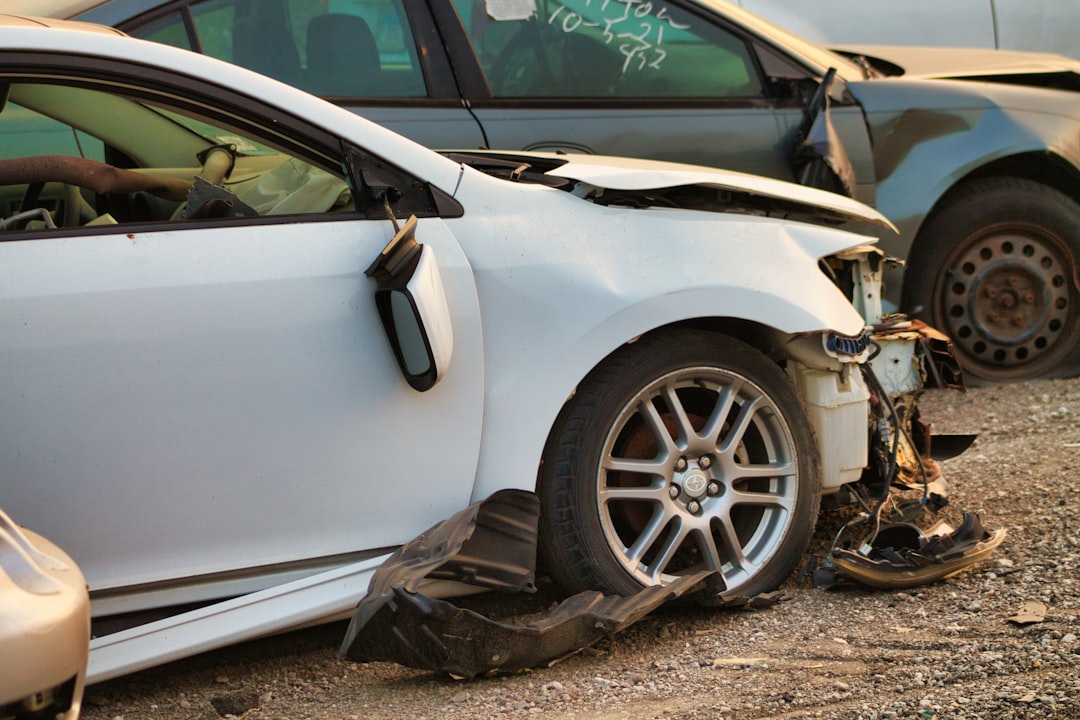
If you, for example, back into a pole, have a collision where you are at fault for the accident, or damage the car by running off the road, it is typically your own comprehensive cover that covers the repair. Bonus loss is common in such cases because the company pays compensation on your insurance.
2) In case of partial fault (shared responsibility)
If the responsibility is shared (for example 50/50), it can result in partial bonus loss or bonus loss as if you were fully responsible – depending on the company's practices. This is precisely why it is so important that the accident report describes the sequence of events accurately and that sketches and pictures support the explanation.
3) When you are using "own damage" coverages
Some damages can fall under coverages such as parking damage (when the other party is unknown), wildlife collision, or glass damage. These may have their own rules: In some companies, certain such damages do not result in bonus loss, while others do. Read the terms or ask the company before you choose the settlement form.
When does an accident usually not affect the bonus?
- When the other party is responsible: If the other driver is at fault in the collision, it is normally the other party's liability insurance that covers your damages, and your bonus should usually not decrease.
- When the damage does not charge your insurance: If you choose to repair without involving insurance (and thus without payment), the bonus is normally not affected – but be careful not to lose rights if hidden damages appear later.
- For pure liability damages to others: Damages you inflict on others via your liability insurance can in some pricing models affect price/risk, but the bonus mechanism is often most clearly linked to the comprehensive portion. Again: terms vary.
Bonus protection: what it is – and what it is not
Several insurance companies offer bonus protection (often as an additional service). This can mean that you avoid bonus loss for one accident in a period, or that the reduction becomes smaller.
Common limitations (vary between companies):
- Applies only after you have achieved a high bonus (e.g., 70–75 % or more).
- Does not apply in case of multiple accidents happening close together.
- Does not necessarily apply to all types of damages (for example, theft, vandalism, or parking damage may be regulated differently).
The point is that bonus protection is not a "free pass" scheme. It helps, but you still need to document the damage and follow the reporting rules.
Liability and documentation: this can determine your bonus
What often creates bonus loss in practice is not just the damage itself – but that liability becomes unclear. This can result in shared responsibility or that your company settles on your comprehensive to get you quickly back on the road, while recovery from the other party may become uncertain.
Therefore, you should secure:
- pictures of the vehicles, damages, road markings, signs, and brake tracks (if relevant)
- contact information for the other party and any witnesses
- a simple sketch with driving direction and point of collision
- notes on time, place, weather, and visibility
For reporting or guidance on reporting, see the Police's overview of digital services: Police – Report.
Fill out the accident report together: fewer misunderstandings, faster settlements
Many conflicts afterward are about parties remembering differently, or that one fills out on their own long after the incident. With Skademeldinger.no, you can fill out the accident report form together with the other party right then and there, get one common version, attach pictures, and sign digitally. The result is easier to share and is ready for submission to the insurance company.
What about deductible, rental car, and workshop – does it affect the bonus?
Deductible and bonus are two different things. The deductible is the amount you pay yourself when your insurance covers the damage. Bonus is about the price of insurance going forward. So you can pay deductible and experience bonus loss if the damage is charged to your comprehensive.
Rental car and workshop choice typically do not directly affect the bonus, but can influence the total settlement and how costly the damage becomes. Some companies have approved workshops that can expedite processing. If you are uncertain about what makes the most sense, ask the company to explain whether the claim can be taken on the other party's liability or on your comprehensive – and what the consequences will be.
Should you report minor damages – or pay yourself?
If the damage is minor, consider the whole:
- How large are the repair costs compared to the deductible?
- What do the terms say about bonus loss and how long the bonus loss "sticks"?
- Is there a risk of hidden damages (e.g., behind the bumper or in the suspension)?
In collisions with the other party, it is often wise to document and report even if the damage looks minor – precisely to ensure correct liability allocation. You can still discuss settlement options with the insurance company after the damage is registered.
Summary: how to protect your bonus as best as possible
- Get the liability right: It is the liability distribution that usually determines if the bonus is affected.
- Document well: Pictures, witnesses, and sketches reduce the risk of shared responsibility.
- Use a clear accident report: Joint filling and digital signing make it harder to misunderstand what was agreed on the spot.
In conclusion: The rules for bonus loss, bonus protection, and which types of damages affect the bonus vary between companies and products. Check your terms or contact the insurance company for a specific assessment.
Emner
Ready to save time and frustration?
Skademeldinger.no makes it easy to fill out claim forms digitally together with the other party. Done in 5 minutes, ready for your insurance company.
Relaterte innlegg
Dette koster det å reparere en ripe i billakken i 2026
Du kommer ut fra butikken, går mot bilen, og ser den med en gang. En lys strek langs venstre bakdør. Noen har åpnet b...

Hva dekker kasko i 2026?
Hva dekker kasko i 2026? Kasko er fortsatt den mest brukte betegnelsen på dekningen som tar seg av skader på din eg...

Når du må fylle ut skademelding alene: hva gjør du hvis motparten drar eller nekter å signere?
Når du må fylle ut skademelding alene: hva gjør du hvis motparten drar eller nekter å signere? Det skjer oftere enn m...