Accident with electric car: what do you need to do differently in the damage report?
The short version
- •Ensure safety first, and be extra cautious of high voltage and fire risks after a collision with an electric car.
- •Ensure safety first, and be extra cautious of high voltage and fire risks after a collision with an electric car.
- •In the damage report, you should document battery/charging equipment, warning lights, and whether the car had to be towed/isolated.
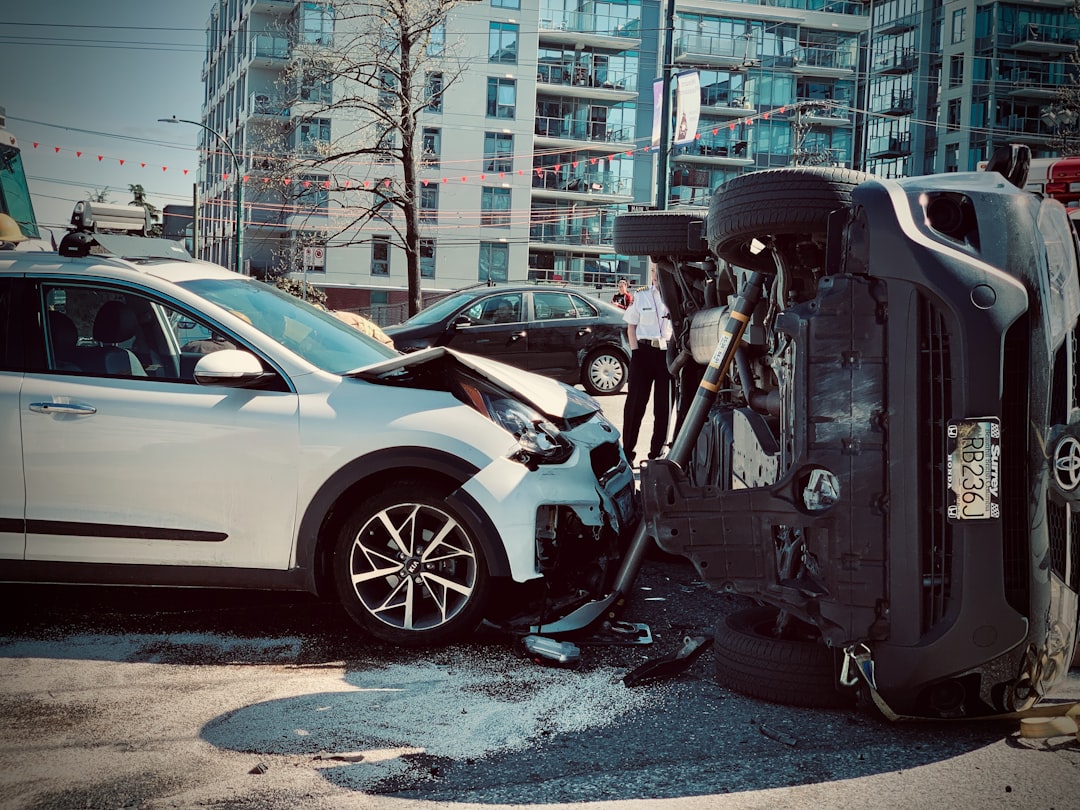
Electric car accidents often look "normal" on the surface, but the damage report may require a bit more precision than with a traditional car. The reason is simple: electric cars have high-voltage systems, heavy battery packs, and often advanced driver assistance systems – and this affects both on-site safety, what should be documented, and what costs may arise afterwards. Here is what you should do differently in 2026, and how to ensure a damage report that the insurance company can actually process effectively.
1) First: safety and proper notification (electric car-specific considerations)
Before you think damage report: secure the scene. With an electric car, you should also respect the potential for battery damage. If there is smoke, crackling sounds, a strong odor, fluid leaking from the battery area, or the car has received a hard impact to the floor/chassis, you should keep your distance and call emergency services.
- Alert and help: In case of personal injury, fire hazard or dangerous situation: call 113/110/112.
- Contact the police if needed: The police describe when and how to report it and what situations require follow-up. See Police – report.
- Moving vehicles: If it is safe and legal, cars can be moved to reduce danger and traffic. If there is suspicion of battery damage, it may be right to leave the car until recovery.
2) What you need to document differently in the damage report
A standard damage report covers a lot, but with an electric car, there are some points that often become decisive in the settlement – especially if the damage later proves to be more extensive than it appears.
Battery, chassis, and charging equipment
- Where did the collision occur? Note if the impact was on the floor/sill/chassis, as the battery pack often lies there.
- Visible signs: Pictures of any warning lights, error messages on the display, deformation under the car, or fluid/smoke.
- Charging at the moment: Was the car connected to a charger (home charger, public DC/AC), or was it at a charging station? Write that down, and take a picture of the charging cable/plug if relevant.
- Towing/transport: Note if the car had to be towed and if the recovery company advised special handling (some damaged electric cars need to be transported/stored with space due to fire risk).
Software, sensors, and driver assistance
Electric cars often have cameras/radar/ultrasonic sensors and advanced safety systems. After a collision, a "small" bumper damage may mean calibration or replacement of sensors.
- Note if driver assistance was active: For example adaptive cruise control, lane keeping or parking assist, if relevant to the incident.
- Take pictures of the accident scene: Markings on the road, signage, visibility conditions, and the positioning of the cars help in case of disagreements.
3) Pictures and evidence: what is especially useful with electric cars
Take more pictures than you think you need – and do it before the cars are moved (as long as it is safe). Try to capture:
- Damage to both cars, including underside/sill if possible without risk.
- Close-up of suspension and whether the car is standing unevenly.
- Screenshot/photo of warning lights and error messages.
- Overview pictures showing position on the road, intersections, speed limits, and any tracks.
If there are witnesses, note their names and phone numbers. This is often what determines in word-against-word situations.
4) How to fill in the damage report smartly (and avoid typical electric car errors)
The most common mistake is that the damage report becomes too general: "bumper damaged". With electric cars, this can underestimate the extent of the damage and create friction later on, especially if the workshop finds battery-related damages or needs for sensor calibration.
- Describe the damage functionally: "Impact on right side at sill, possible chassis/battery impact, warning light on" is more precise.
- Be clear about the timeline: Who did what, in what order, and where the cars were positioned.
- Draw a sketch: Especially important in roundabouts, lane changes, and reversing.
With Skademeldinger.no, you can fill out the damage report together with the other party on your mobile, get one joint version, and sign digitally right there and then. It reduces the risk of misunderstandings and makes it easier to submit a complete report to the insurance company.
5) Insurance, excess and "hidden" costs with electric cars
The rules for liability and fault are essentially the same regardless of the powertrain, but the cost landscape may be different. Electric car damages can lead to higher workshop bills due to battery diagnostics, bodywork around the battery pack, and sensor calibration. This can affect both deductible and whether the car gets totally condemned (economic total loss), depending on the car's value and the extent of the damage.
Insurance conditions vary between companies, but as a starting point, the Norwegian Public Roads Administration describes topics related to owning and maintaining vehicles, including matters regarding vehicles and liability. See Norwegian Public Roads Administration – ownership and maintenance. For details about coverage (comprehensive, partial coverage, liability, rental car, etc.), you should always check the terms with your insurance company.
6) Workshop and recovery: write down what is being said
A practical tip after an electric car accident: note who recommended what. If the recovery company or workshop states that the car should not be driven, that it needs to be on a flatbed, or that it must be stored separately, this is valuable information in the case.
NAF has a lot of useful information about car ownership and workshops, including what to consider when the car is to be repaired. See NAF – car ownership.
7) Checklist: "electric car supplement" before you submit
- Have you written down where the impact was (especially chassis/sill)?
- Have you documented warning lights/error messages with a picture?
- Have you noted about charging or damage to charging cable/port?
- Have you included towing/recovery and any safety advice you received?
- Do you agree on the sequence of events and have both signed?
In summary
What you "must do differently" with an electric car mostly concerns documenting more precisely: battery/chassis, electronics/sensors, and how the car was handled after the collision. The better the damage report, the less back and forth – and the faster the clarification. Skademeldinger.no makes it easy to fill out with the other party, sign digitally, and share a complete damage report to the insurance company.
Note: Advice and procedures may vary between car manufacturers, workshops, and insurance companies. In case of acute danger or personal injury, you should always prioritize emergency help and safety.
Emner
Ready to save time and frustration?
Skademeldinger.no makes it easy to fill out claim forms digitally together with the other party. Done in 5 minutes, ready for your insurance company.
Relaterte innlegg

Hva dekker kasko i 2026?
Hva dekker kasko i 2026? Kasko er fortsatt den mest brukte betegnelsen på dekningen som tar seg av skader på din eg...

Når du må fylle ut skademelding alene: hva gjør du hvis motparten drar eller nekter å signere?
Når du må fylle ut skademelding alene: hva gjør du hvis motparten drar eller nekter å signere? Det skjer oftere enn m...
Påkjørsel av dyr: hva gjør du, hvem betaler, og hva skriver du i skademeldingen?
Påkjørsel av dyr: hva gjør du, hvem betaler, og hva skriver du i skademeldingen? Å kjøre på et dyr er stressende, og ...