I crashed the car, what do I do now
The short version
- •Secure the scene first with hazard lights, warning triangle, and assist the injured before doing anything else.
- •Secure the scene first with hazard lights, warning triangle, and assist the injured before doing anything else.
- •Gather documentation and fill out the accident report with the other party while you’re still at the scene.
A collision often happens suddenly, and it’s easy to become uncertain about the right order of actions: should you call the police, take pictures, move the car, contact insurance - or do everything at once? Below you will find a practical and updated checklist for 2025, with explanations on why each step is important. The goal is to ensure safety, provide proper documentation, and handle the damage as smoothly as possible.
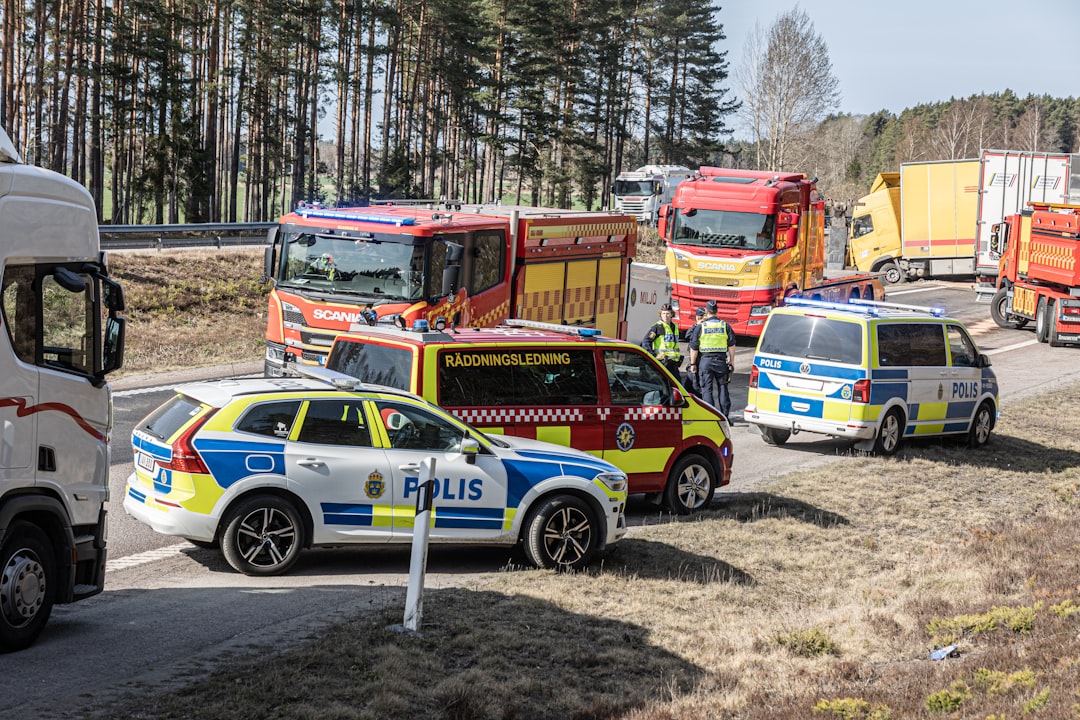
1 Secure the scene and take care of people first
Before you start thinking about blame and paperwork, you need to minimize the risk of another accident and check if anyone needs help.
Do this right away
- Turn on hazard lights and put on a reflective vest if you have one.
- Check if anyone is injured. Call 113 if there’s suspicion of injury, even if it only seems like whiplash or dizziness.
- Alert other drivers with a warning triangle at a safe distance (adjust according to speed and visibility).
- Move the cars out of the roadway if it is safe and possible, to avoid further collisions and traffic jams (take quick photos first if possible).
If the car cannot be moved and you are in an unsafe position, prioritize getting to safety (behind the guardrail or well away from the roadway) and call for help.
2 When should you call the police
The police should be contacted in several situations, and it may also be wise even if it’s not always required. The police have their own guidance for traffic accidents that is useful to check when needed: Police – traffic accident.
Call the police (112) or contact them when
- There is personal injury or suspicion of injury.
- You suspect intoxication, dangerous driving, or that someone is trying to flee.
- There is disagreement about the sequence of events or identity.
- There is significant material damage, the car is blocking traffic, or there is a risk of further accidents.
- There is damage to public property (guardrails, signs, lamp posts) or others’ property.
Tip: At the scene, it may be sufficient to call the police’s operations center for advice. In some cases, they will not dispatch, but you will still document that you made contact.
3 Exchange information with the other party without escalating
Keep it factual and practical. You need the following for the accident report:
- Name, phone number, and address
- Car license plate
- Insurance company and preferably the policy number if available
- Driver (who was driving) and owner (if different)
- Witnesses: names and phone numbers
Avoid making “deals” at the scene about blame or cash settlements. This often creates more conflict, and you may end up without coverage or documentation.
4 Documentation that actually helps the insurance case
The insurance company largely relies on the documentation you submit. Good documentation can shorten processing time and reduce misunderstandings.
Take photos and videos
- Overall: the cars as they were (if safe), the roadway, and the traffic situation.
- Close-ups of the damage on both cars.
- Signs, markings, intersections, yield conditions, and visibility conditions.
- Any skid marks, glass, or debris in the road.
Write down what you remember immediately
Note the time, location, weather/road conditions, and a brief description of the incident while it’s fresh. Small details (e.g., “sun low in the sky” or “ice in the turn”) may be relevant later.
5 Fill out the accident report with the other party right then and there
The most common reason cases drag on is that the parties submit different accounts afterwards. When you fill it out together, you agree on the factual basis (what happened, where it happened, and what damages are visible).
With Skademeldinger.no, you can fill out the accident report together on your phone, create a shared version, and sign digitally – so both parties have the same documentation, ready to share with the insurance company.
This should be included in the accident report
- Sketch of the situation (simple, but clear)
- Description of the sequence of events
- Accident site (address/location) and time
- Visible damages and where on the car
- Witnesses and any other involved parties
Important: If you disagree, you can still fill out your part and document the disagreement. Photos and witnesses become extra important in this case.
6 If the other party does not want to cooperate
Sometimes the other party refuses to provide information, won’t sign, or leaves the scene. In that case, you should:
- Note the license plate and identifying features (car model/color) as quickly as possible.
- Take photos (without putting yourself in danger).
- Talk to witnesses and get their contact information.
- Contact the police, especially in cases of hit and run, intoxication, or threatening behavior.
- Report the incident to your insurance company and explain the situation.
7 Report the damage to the insurance company quickly
Most insurance companies expect that damages are reported “without undue delay.” Exact deadlines and procedures may vary, so check your terms. If you have a completed and signed accident report (and photos), the reporting and processing often goes faster.
What insurance typically covers
- Liability insurance covers damages you cause to others (people/property) and is legally required.
- Partial coverage can cover typical fire, theft, glass, roadside assistance (depends on conditions).
- Full coverage usually also covers damage to your own car in collisions/run-offs, with a deductible.
Note: Bonus loss, deductible, and whether you get a rental car depends entirely on your agreement and who is deemed responsible. Conditions vary among companies in 2025, so check your insurance certificate or the websites of the company.
8 Workshop, towing, and rental car
If the car is not drivable, you often need towing. Many have roadside assistance included in full/partial coverage, or as an add-on. Ask the insurance company before ordering if you are unsure, so you use the right provider and avoid unnecessary costs.
Practical tips
- Ask the insurance company about contracted workshops and what is most advantageous.
- Request the workshop to document the damage and send an estimate where relevant.
- If you need a rental car, check if it’s included and which car class/duration is covered.
9 Economics, bonus, and deductible, explained briefly
Two things often create surprises after a collision: deductible and bonus. In many cases, you pay deductible for damage to your own car (full coverage), and the bonus may be reduced if you receive compensation and are deemed fully or partly responsible. Some agreements have “bonus protection” or specific rules for glass/parking/theft. Therefore, it’s wise to check your terms – and get the right documentation in early, so that the distribution of responsibility is correct.
10 Common mistakes that make the case more challenging
- No pictures or only close-ups without an overview.
- Different explanations because accident reports are filled out individually later.
- Forget witnesses (they often leave after 2 minutes).
- Move the car without documenting first when it was actually possible to take quick pictures.
- Wait too long to report the case.
11 How to make it easiest with Skademeldinger.no
When the adrenaline has calmed down, it is a significant advantage to have one organized process:
- You fill out the accident report together on mobile, step by step.
- It becomes a shared version that reduces the risk of misunderstandings.
- Both can sign digitally and receive a copy.
- The accident report is easy to share further and is ready to be sent to the insurance company.
12 Frequently asked questions after a crash
Can I drive on after a minor collision
If the car is safe to drive (lights, suspension, brakes, airbags/warning lights) and you are not obstructing traffic, it may be fine to move to a safe place. If in doubt, leave the car and call for roadside assistance.
Do I always have to fill out an accident report
It is highly recommended in collisions with another car or damage to others’ property, as it gives the insurance company a basis for proper processing.
What if I've only damaged my own car
Then you can report the damage as a full coverage claim (if you have full coverage) and thoroughly document the location/damage. In case of run-offs, it may also be relevant to document driving conditions, visibility, and any road conditions.
Sources
Disclaimer: The rules for what is covered (rental car, deductible, bonus, roadside assistance) and what documentation is required vary among insurance companies and agreements. Check your terms or contact your company for specific answers.
Emner
Ready to save time and frustration?
Skademeldinger.no makes it easy to fill out claim forms digitally together with the other party. Done in 5 minutes, ready for your insurance company.
Relaterte innlegg

Hva dekker kasko i 2026?
Hva dekker kasko i 2026? Kasko er fortsatt den mest brukte betegnelsen på dekningen som tar seg av skader på din eg...

Når du må fylle ut skademelding alene: hva gjør du hvis motparten drar eller nekter å signere?
Når du må fylle ut skademelding alene: hva gjør du hvis motparten drar eller nekter å signere? Det skjer oftere enn m...
Påkjørsel av dyr: hva gjør du, hvem betaler, og hva skriver du i skademeldingen?
Påkjørsel av dyr: hva gjør du, hvem betaler, og hva skriver du i skademeldingen? Å kjøre på et dyr er stressende, og ...